
Thinking
Ideas, Observations, and Provocations
Short essays on how sound, light, space, and technology shape human experience.
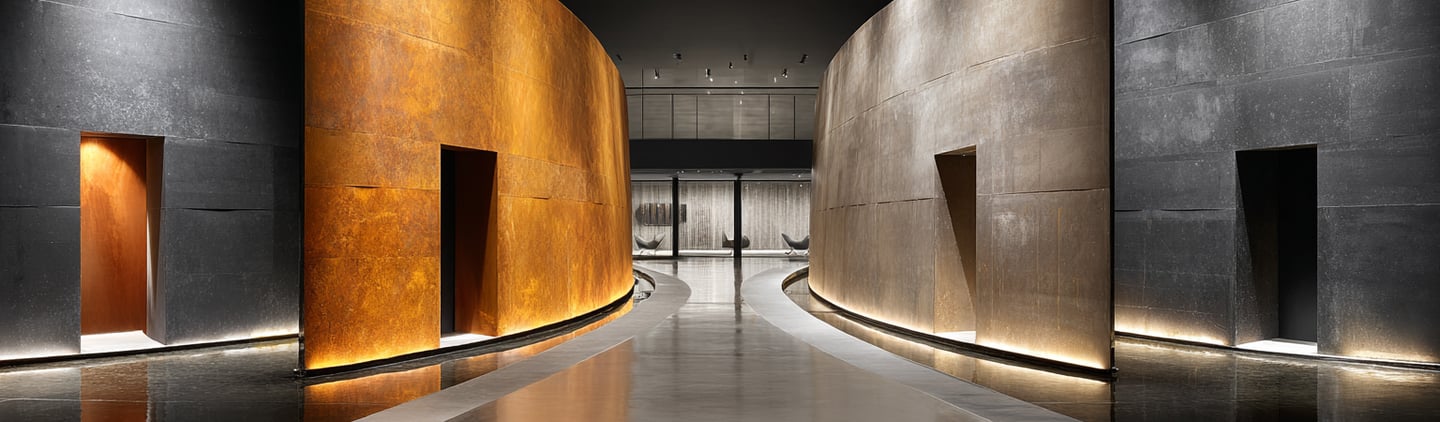
The Myth of “Good Enough” Technology
Most technology doesn’t fail.
It succeeds—just not in the way we measure.
Rooms sound clear enough. Screens are bright enough. Lighting meets code. And because nothing is technically broken, we assume the environment is doing its job.
But “good enough” technology quietly taxes people.
When sound requires just a little more effort to understand, attention slips. When lighting is uniformly bright, the eyes never stop working. When visual systems compete instead of coordinate, the mind stays busy sorting instead of engaging.
None of this feels dramatic. That’s why it’s easy to ignore. The cost shows up later—as fatigue, distraction, irritability, or disengagement that no one can quite explain.
Technology designed to meet minimum standards often creates maximum cognitive load.
Thoughtful design understands that comfort is not the absence of failure. It is the presence of ease. Ease in listening. Ease in seeing. Ease in knowing where to focus and where to rest.
“Good enough” keeps spaces operational.
Intelligent design makes them humane.
And humane environments are not a luxury. They are the baseline for people to do their best work, experience beauty, and stay present longer than required.


Silence, Shadow, and the Spaces Between
Design often treats absence as a problem to solve.
Silence becomes noise to eliminate.
Shadow becomes darkness to correct.
Stillness becomes inefficiency.
So we fill every space with sound, every surface with light, and every moment with stimulation—believing that more presence equals more engagement.
It doesn’t.
The human nervous system relies on contrast. Without quiet, sound loses meaning. Without shadow, light loses direction. Without pauses, attention has nowhere to land.
Silence is not emptiness. It is structured.
Shadow is not failure. It is depth.
Restraint is not weakness. It is clarity.
Well-designed environments understand this instinctively. They give permission to rest without disengaging. They allow focus without force. They guide attention without demanding it.
Technology should not erase the spaces between moments.
It should shape them.
When absence is designed with intention, presence becomes more powerful. People notice more. Feel more. Remember more.
Not because the environment is louder or brighter—but because it knows when not to be.
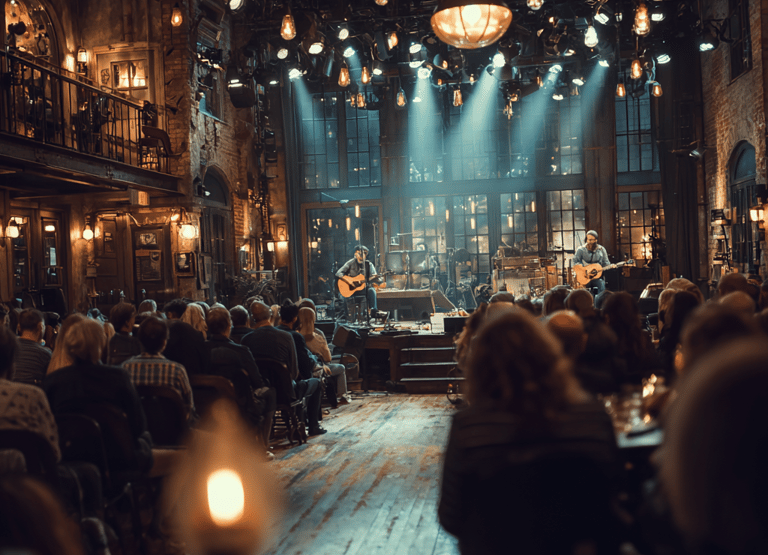
Designing for How People Actually Behave
Most environments are designed for how people should behave.
They should listen attentively.
They should look where they’re told.
They should remain focused for long periods of time.
But people don’t behave according to instructions. They behave according to comfort, fatigue, curiosity, and emotional safety.
They shift in their seats when sound strains them.
They glance away when visuals overwhelm.
They disengage when environments feel indifferent to their limits.
This is not a failure of discipline. It is a reality of being human.
Thoughtful design begins by observing how people actually move, listen, and respond within a space. It accounts for distraction, variability, and the need for recovery. It anticipates wandering attention and designs gentle ways to bring it back.
Good environments do not demand better behavior.
They make better behavior easier.
When technology aligns with natural human rhythms, people participate more fully—not because they’re trying harder, but because the space is working with them instead of against them.
Design that respects behavior doesn’t feel controlling.
It feels intuitive.
And intuition is what allows environments to disappear—so people can remain present within them.